
How to talk confidently about cultural education at inspection
One coherent answer covers most of what inspectors ask about cultural provision. Here is that answer, and the short list of evidence worth keeping to back it up.
Cultural provision sits across several things a school is judged on — personal development, the breadth of the curriculum, and the duty to promote mutual respect and tolerance of those with different faiths and beliefs. The good news is that one coherent answer covers nearly all of it, and no folder of evidence is required to give it: why these things, in this order, for these children? A school that can say that in a couple of sentences is in a strong position.
Intent is the part worth rehearsing
The list of dates is the easy half; the reasoning behind it is what makes the answer land. A strong answer connects your choices to your own community: which cultures are represented in your intake, which are not and therefore need deliberate introduction, and what you want pupils to carry into secondary school. Most schools already have those reasons — it is worth saying them out loud once before anyone asks.
Evidence worth keeping
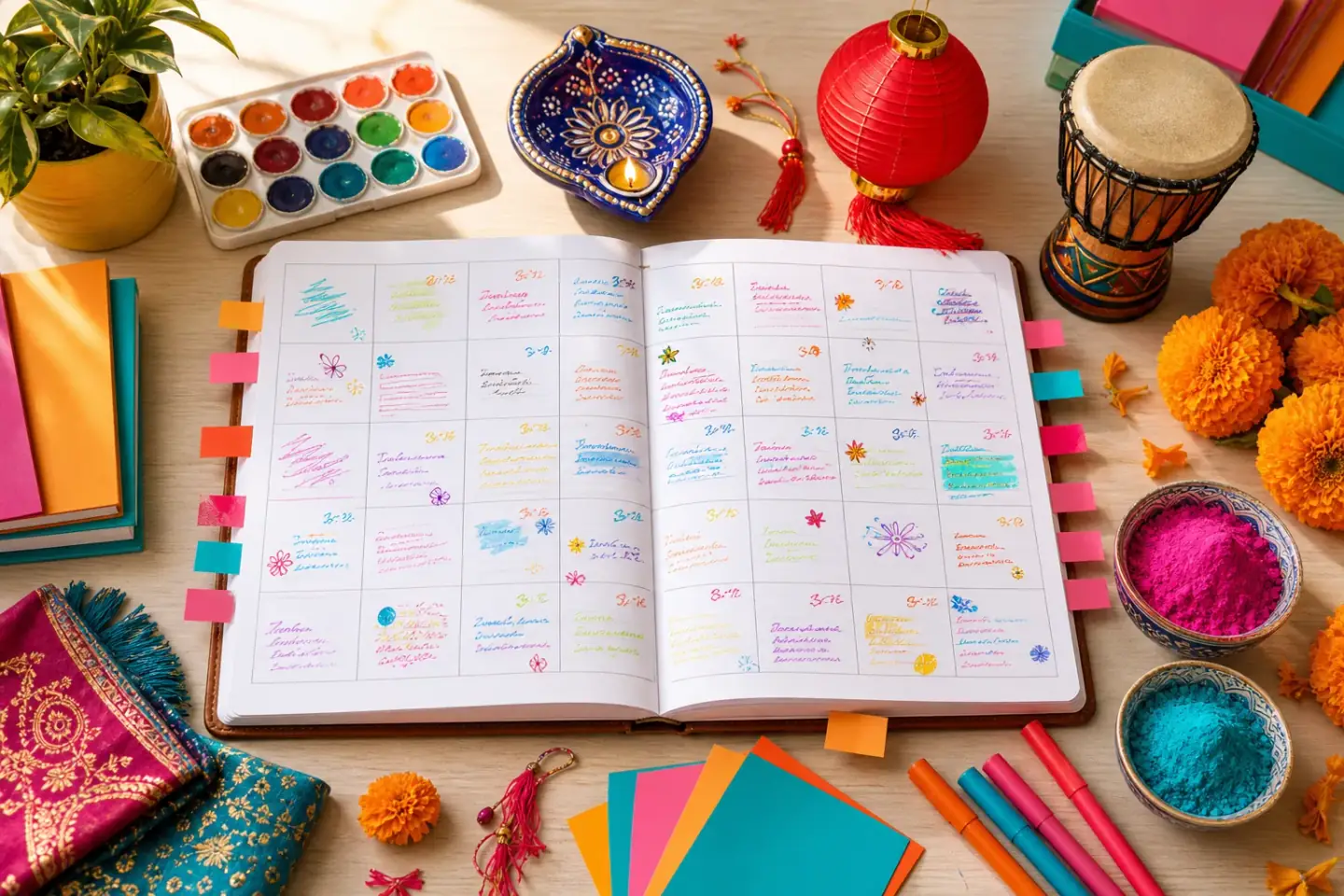
- A one-page cultural calendar for the year, showing which dates you mark and in what format.
- The curriculum links for each — which subject and which unit the session connects to.
- Pupil voice: a handful of quotes gathered in the week after a session, not months later.
- Follow-on work that shows the session went somewhere: writing, discussion notes, artwork with reasoning attached.
Personal development is about more than the calendar
What inspectors are interested in is whether pupils understand and respect difference. That shows up in how pupils talk to each other and about others, in whether they can discuss a belief they don't share without dismissing it, and in whether provision reaches every pupil rather than the ones who opted in. A well-marked calendar feeds all three, which is why the dated moments are worth doing properly.
The question behind every version of this conversation is the same: can your pupils talk about difference with curiosity rather than discomfort?
Where an external session strengthens the answer
An external session buys depth and first-hand authenticity that no resource pack can supply, and it gives pupils a memorable anchor point to talk about afterwards. We bring the curriculum links and the follow-up resources with it, so the session arrives already attached to a unit. The story of why this date, for these children, stays yours — and told alongside a session pupils clearly remember, it is an easy story to tell.