How to teach a festival so pupils remember the meaning
A festival session pupils can still explain in July is built on four straightforward things. Here are the tests worth applying to whatever you already have planned.
A festival session has done its job when pupils can tell you what the festival means, who marks it, and why it matters to the people who do. That is a higher bar than a colourful week, and it is well within reach — usually a matter of ordering the day so the meaning arrives first. Four tests tell you whether you are there.
Test one: can pupils name the meaning, not just the activity?
After a Diwali session, a pupil should be able to say something about light, renewal, or the stories behind the festival as well as that they made a clay lamp. Build the making around a story and the story is the part they keep. Same materials, same afternoon, ten minutes in a different order.
Test two: participation teaches more than costume
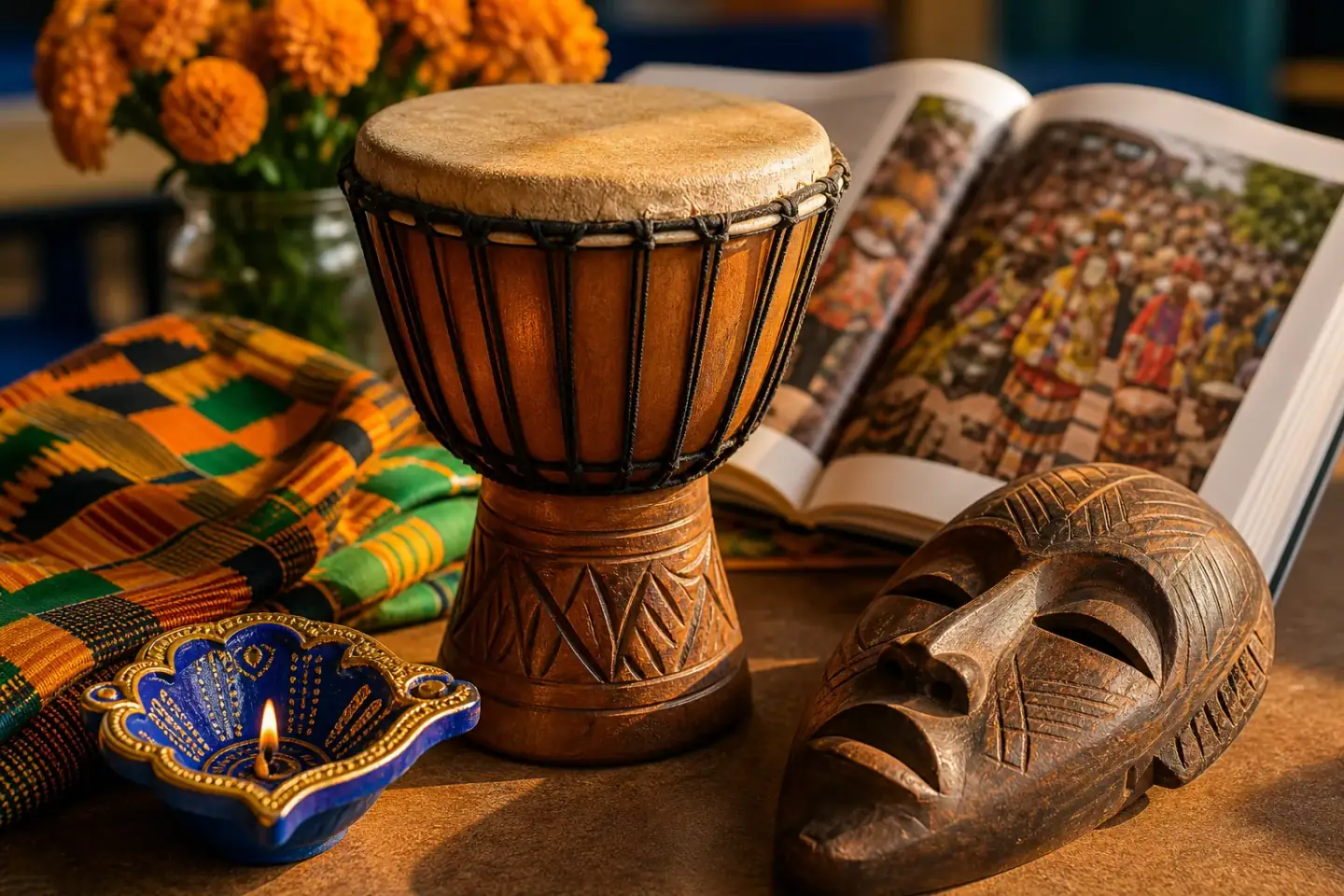
Handling artefacts, learning a greeting, cooking a dish, and hearing from someone who observes the festival are all participation, and all of it lands. Clothing worn as a costume, or a living culture reduced to a set of props, does less. The line is easier to hold than it sounds: ask whether the activity would feel respectful to a family in your school community who celebrates it.
Test three: does the same culture appear outside its designated week?
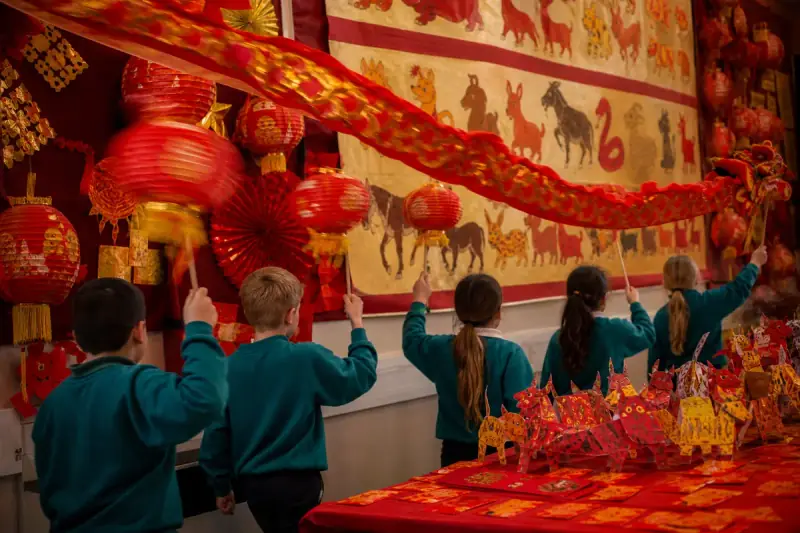
A dated moment works best as a spotlight on something already present in the curriculum year-round: Chinese culture in a geography unit as well as in late January, Black history in the History scheme as well as in October. Where that is already true, the festival week has a great deal to build on — and where it isn't, the week is a good prompt for adding it.
A dated observance should be the loudest moment in a continuous conversation, not the only time the conversation happens.
Test four: whose voice is telling it?
Content delivered by someone with a genuine connection to the material lands differently, and pupils can tell. Teachers teach this well every year; what raises it further is where the material comes from. Take the stories, songs and words from within the culture rather than a generic assembly pack, and quote the people they belong to rather than summarising them.
What to do with your own school community
Your families are the strongest resource available, and they are already in the register. A short note home asking who would be willing to share how they mark a festival typically produces more usable material than any commercial resource pack, and it turns a lesson about other people into a lesson about the people in the room. Pair that with a facilitator who marks the festival themselves, and the four tests above are passed before you have planned a thing.