21 May · Cultural Diversity
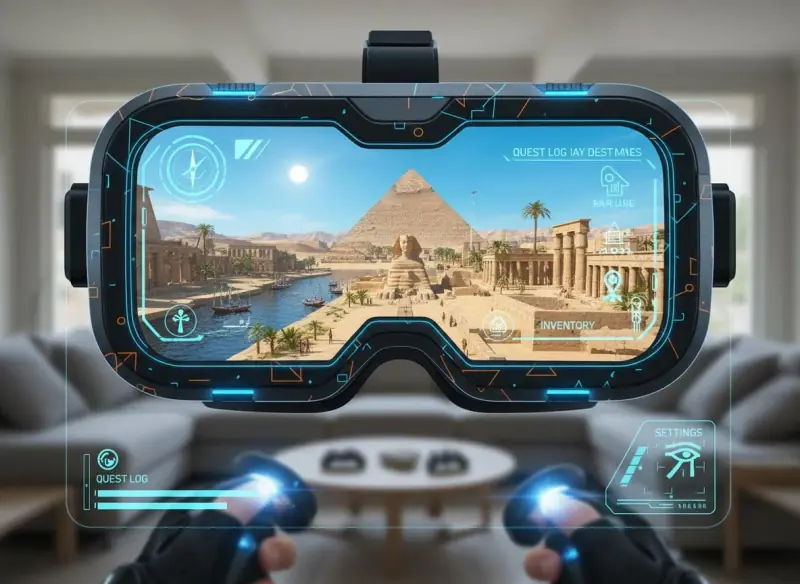
Ancient Egypt in VR
Cairo and the pyramids, pharaohs and gods, mummification and the Book of the Dead.
- Key stages
- KS2
- Session length
- 60 minutes per class
- Group size
- A whole class at once — one headset per pupil, seated
- Formats
- Single class, a year group, or a full day of back-to-back classes
How the session runs
Before we begin
Rules first, headsets second
Before the session starts, we show the children how to use the virtual reality headsets. For everyone's safety, all students must stay seated throughout the experience.
Introduction
Two thousand years, and why we know so much
The facilitator introduces the civilisation before the films begin — how long the Egyptians ruled, the writing and the structures that survived them, the hundreds of gods, the tombs filled with treasure, and the inventions from make-up and toothpaste to a police force. Then how the hour will run: two or three questions before each film to prime the class to listen, and the same questions again afterwards.
First film
Cairo, the Nile and the pyramids
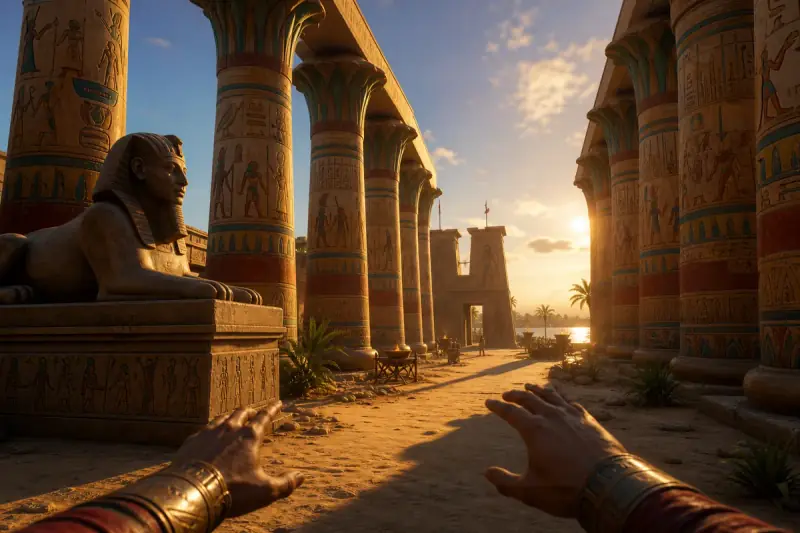
The class starts in Cairo as it is now, on the Nile, with the pyramids. Beforehand pupils are asked what they already know about the Egyptians and what shape a pyramid actually is. Afterwards: which animals combine to make a sphinx, and what a king or leader was called. The bonus question is the one that opens the rest of the session — why bury treasure with somebody you have lost?
Second film
Pharaohs and gods
Now the class travels back to ancient times. Before the film pupils name any pharaoh they can and say what they think the pyramids were for. Afterwards they can list several — Tutankhamun, Cleopatra, Nefertiti, Narmer the Raging Catfish, King Scorpion — and describe the animal heads on the gods they have just seen: cobra, jackal, falcon, hawk. The bonus question is how Cleopatra dressed to impress the Roman leaders.
Third film
Rituals, tombs and mummification
The class travels to Saqqara and a different kind of pyramid, and the question before the film is simply what process the Egyptians used when burying somebody they loved. Afterwards: the pets they kept — dogs and cats, but also lions and leopards — and what went into a tomb alongside the body. Then the detail that makes the belief make sense: why a mask went over the coffin, so the soul could recognise the body and return to it safely.
Fourth film
Inventions, writing and the Book of the Dead
Before the last film pupils are asked what covers the walls of the tombs, and where the Egyptians thought they were going after death. Afterwards they learn the difference between hieroglyphics, carved as pictures, and hieratics, written as symbols on paper — and what the Book of the Dead was: a spell-book of the right prayers to get you through the Hall of Judgement into Duat, the realm of the dead. The bonus question is what could go wrong on the way.
The museum
Five rooms to search
The last module is a virtual museum of five rooms, with a 3D exhibit in the centre of each. This is where the class works rather than watches: the facilitator can split them into teams, send each team into a room and set them a different task — as many gods as they can find, as many pharaohs, all about the pyramids, all about the inventions, or all about writing and hieroglyphics.
The questions come before the film, not after. A class that has been asked what shape a pyramid is watches the next four minutes completely differently.
What pupils will learn
- That the Ancient Egyptians ruled for two thousand years, up to the time of the Romans, and why we know so much about them
- That they worshipped hundreds of gods, built temples known as pyramids, and buried their dead in tombs filled with treasure ready for paradise
- What a pharaoh was, several by name, and which animals combine to form a sphinx
- Why they mummified their dead: the belief in paradise, the drying and wrapping, and why mummies found today still have hair and tattoos
- What went into a tomb and why a mask went over the coffin — so the soul could recognise the body and return to it
- The difference between hieroglyphics, carved as pictures, and hieratics, written as symbols on paper
- What the Book of the Dead was for, and what Duat was
- That the Egyptians invented make-up and toothpaste, kept pets and formed a police force
- How to search a source for themselves and report back, working as a team in one of the museum rooms
Curriculum links
KS2
- History, KS1 and KS2
- The achievements of the earliest civilizations, with Ancient Egypt among the named depth study options. Every key learning point in the session is drawn from the history curriculum.
- English, KS1 and KS2
- Spoken language: listen for specific information in a narration, then answer questions on it and explain the answer to the class.
- Geography, KS2
- Locate Egypt and Cairo, and describe the river and the landscape the class has just seen.
- RE and PSHE
- Beliefs about death and what follows it, and recognising the cultures represented in our own school community.
What we bring
- A charged headset for every pupil, so an entire class takes part together and nobody waits a turn
- A DBS-checked facilitator who runs the whole session from a master device, keeping every headset in step, and teaches the history around it
- The full journey: four films and a five-room virtual museum, shown in the order the script follows
- The question sets used before and after each film, so your staff can revisit them the following week
- Set-up, cleaning between classes and full pack-down — all of it done by us
What we need from you
- A hall, studio or cleared classroom where the whole class can sit spaced out, each pupil in front of their own headset and clear of walls and furniture
- Forty minutes before the workshop start time, so the facilitator can park, sign in and set the headsets out
- A power socket within reach of a spare table where the kit can be laid out
- A member of teaching staff with the class throughout, as safeguarding requires
- Nothing special for pupils who wear glasses — they can usually keep them on, and it helps to tell us beforehand
When to book
21 May
World Day for Cultural Diversity for Dialogue and Development is a fixed date: 21 May every year.
Reviews for our workshop team
What schools say about our Cultural Diversity workshops
“Fantastic workshops for primary school children - the facilitators Emma for African drumming and Naomi for dance workshops were friendly, skilled and provided a very enjoyable experience for the children. Thank you!”
Aleksandra Dass “We have had a number of experiences from the Education Group and are always impressed by the quality of the workshops. We return to them time after time because we know that the planning, content and age-appropriateness of their sessions are absolutely right for the children.”
Kate Baguley “Our infant school aged pupils enjoyed the Maypole experience and were amazed to see the maypole in the middle of their playground. The teacher was fantastic with our young children and we all managed to come away from our sessions feeling we had learnt something rather wonderful!”
St Peter's “Highly recommend the African mask workshop! It's one of the highlights of the Year 5 calendar. Well worth every penny”
Joanne Netto “What a great experience for the children! Ivan was amazing at keeping their interest and making the drumming session as active and exciting as possible.”
Demelza Jones “A great workshop. Fantastic resources and Chris was great with the children. They were engaged throughout and talked about it for ages afterwards. This is the third time we have used them and they never disappoint!”
Julie Gill
Questions schools ask
Does the whole class really take part at once?
Yes. There is one headset for every pupil, and the class sits down in front of them together. No rotation, no small groups, and nobody waiting for a turn.
Do pupils stay seated?
Throughout. Pupils sit down in front of a headset at the start and stay seated the whole way through, because the films bring the journey to them rather than the other way round. If anything goes wrong a hand goes up and the facilitator comes over.
How does one facilitator keep a whole class in step?
Everything runs from a master device. The sound comes from the facilitator's device rather than the pupils', so the class hears one narration together, and each film begins when everybody looks up for three seconds — which is why the class practises that look-up before a single headset goes on.
Can a pupil sit it out if they would rather not wear one?
Of course, and nothing is made of it. We put the choice to everybody before a single headset is handed out, so no pupil has to single themselves out to take it. The facilitator asks the questions out loud and runs the discussion between films, so there is plenty to join in with — and a pupil who has had enough simply hands theirs back.
What is the museum at the end?
A virtual museum of five rooms, each with a 3D exhibit in the centre. The facilitator can split the class into teams, send each into a room and give them a different thing to find — as many gods as they can, as many pharaohs, all about the pyramids, the inventions, or writing and hieroglyphics — which turns the last part of the hour into research rather than watching.
How much space do we need?
A hall is ideal. Each pupil needs a spot on the floor to sit in front of their own headset, clear of walls and furniture. A cleared classroom works for smaller classes — tell us the room and the number and we will say honestly whether it fits.
Are the headsets cleaned between classes?
Yes, by us. Headsets are wiped down between classes as part of the changeover, and we set up and pack away the whole system ourselves.
The other Cultural Diversity sessions
All of Cultural Diversity 45–60 minutes per classAfrican DrummingThirty pupils, thirty drums, one rhythm.See the session
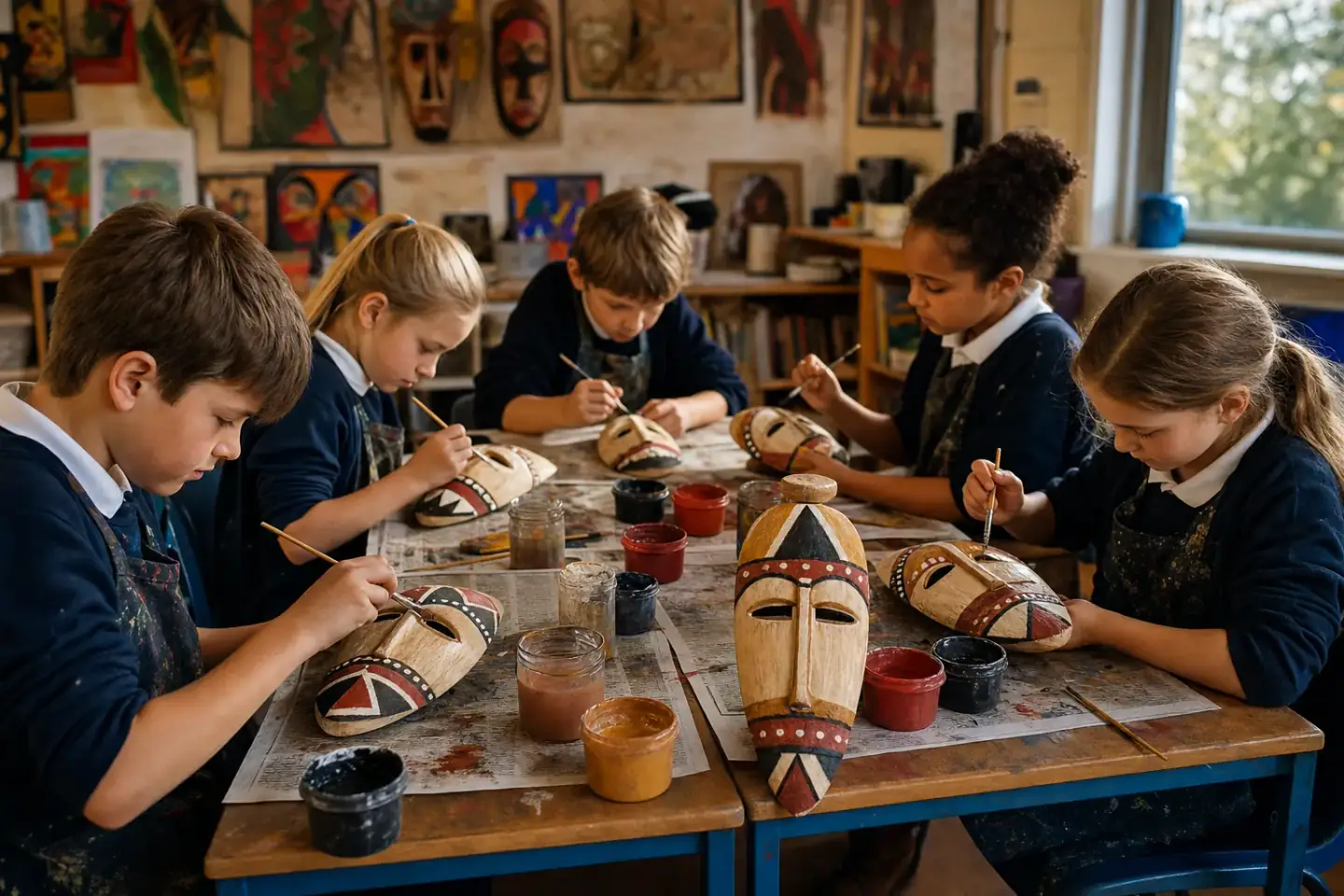 60–90 minutes per classAfrican Mask PaintingCreate African masks with intricate geometric designs.See the session
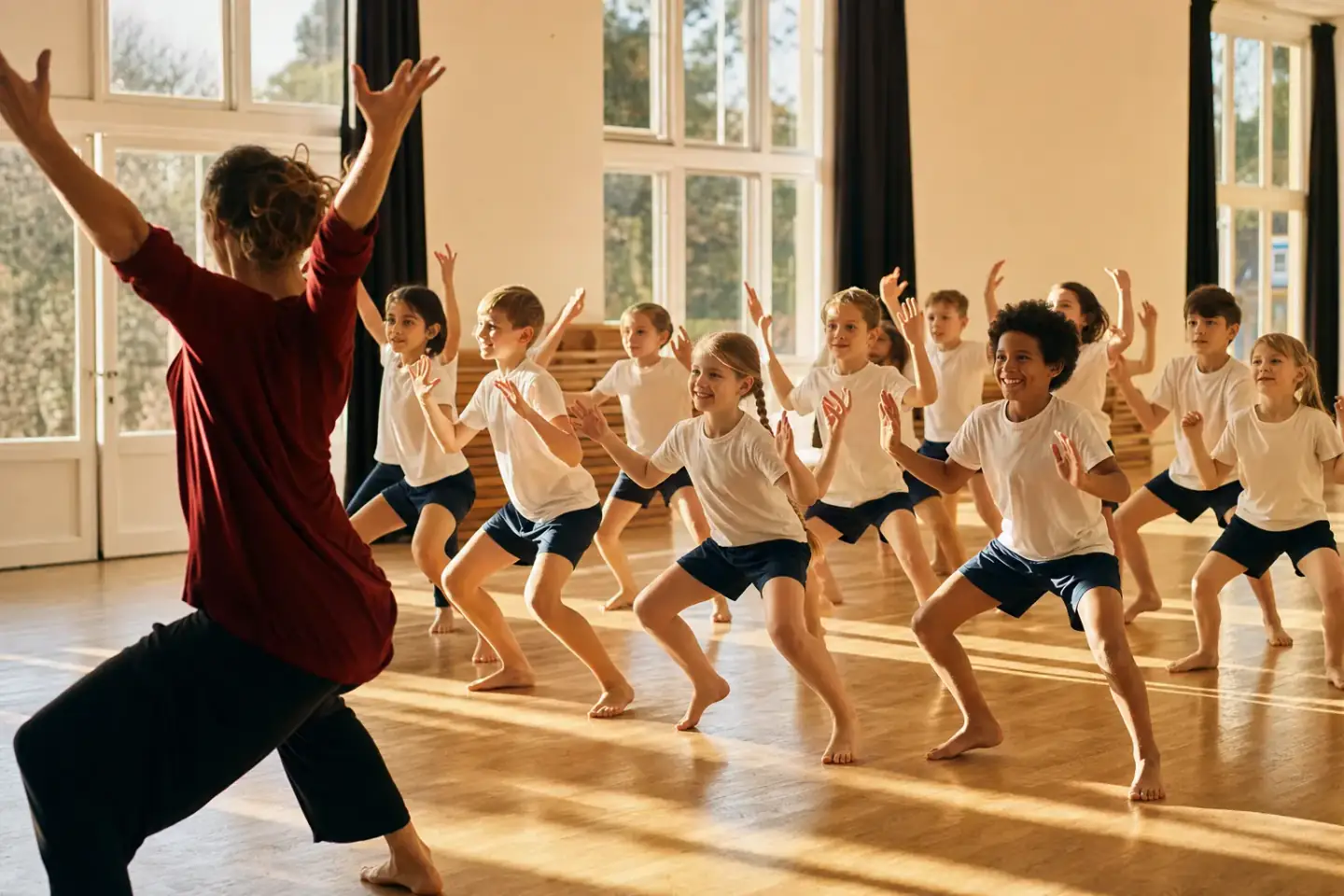 45–60 minutes per classAfrican DanceDiscover African history and culture through authentic dance.See the session
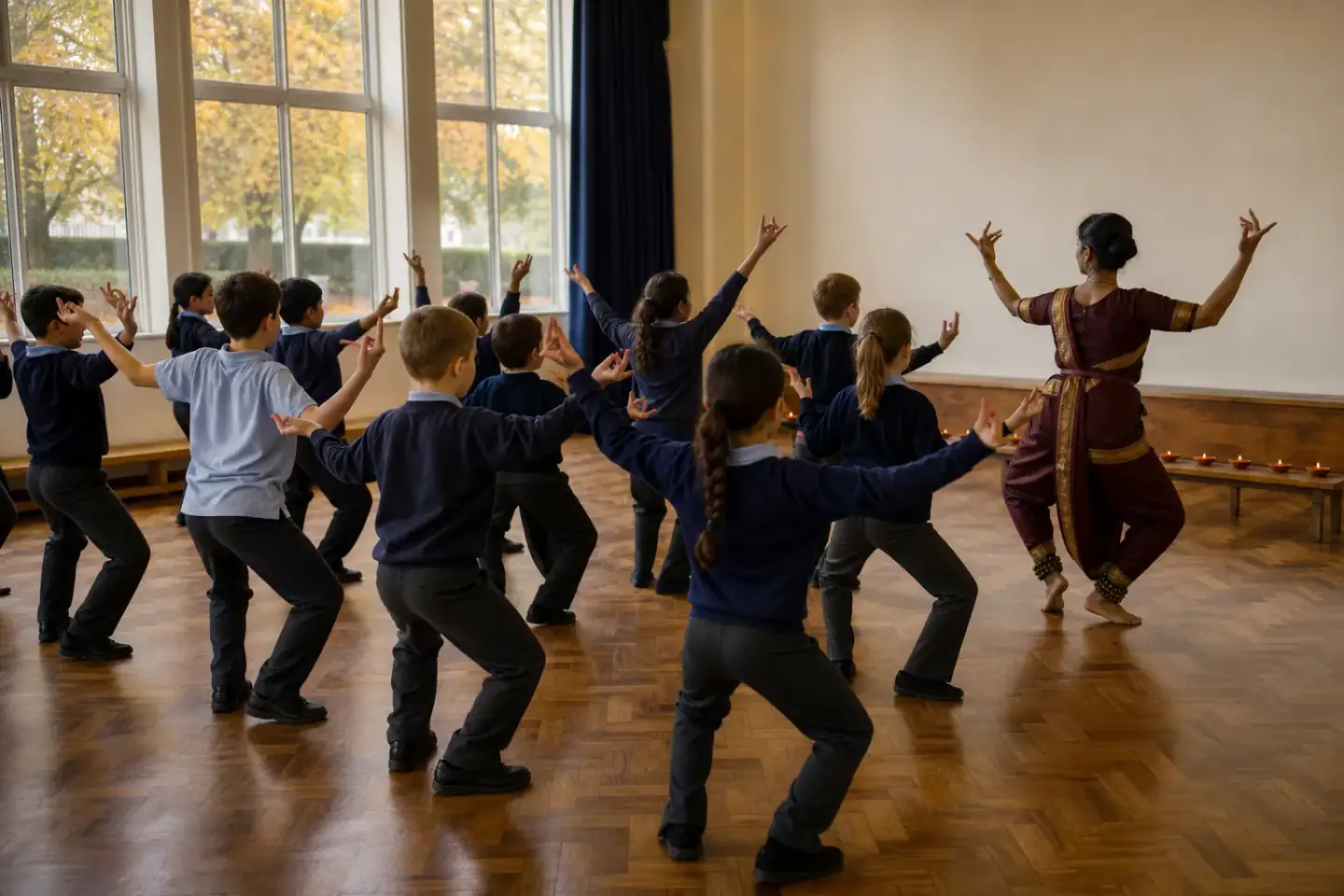 45–60 minutes per classIndian DanceExpress yourself through the graceful moves and rich traditions of Indian dance.See the session
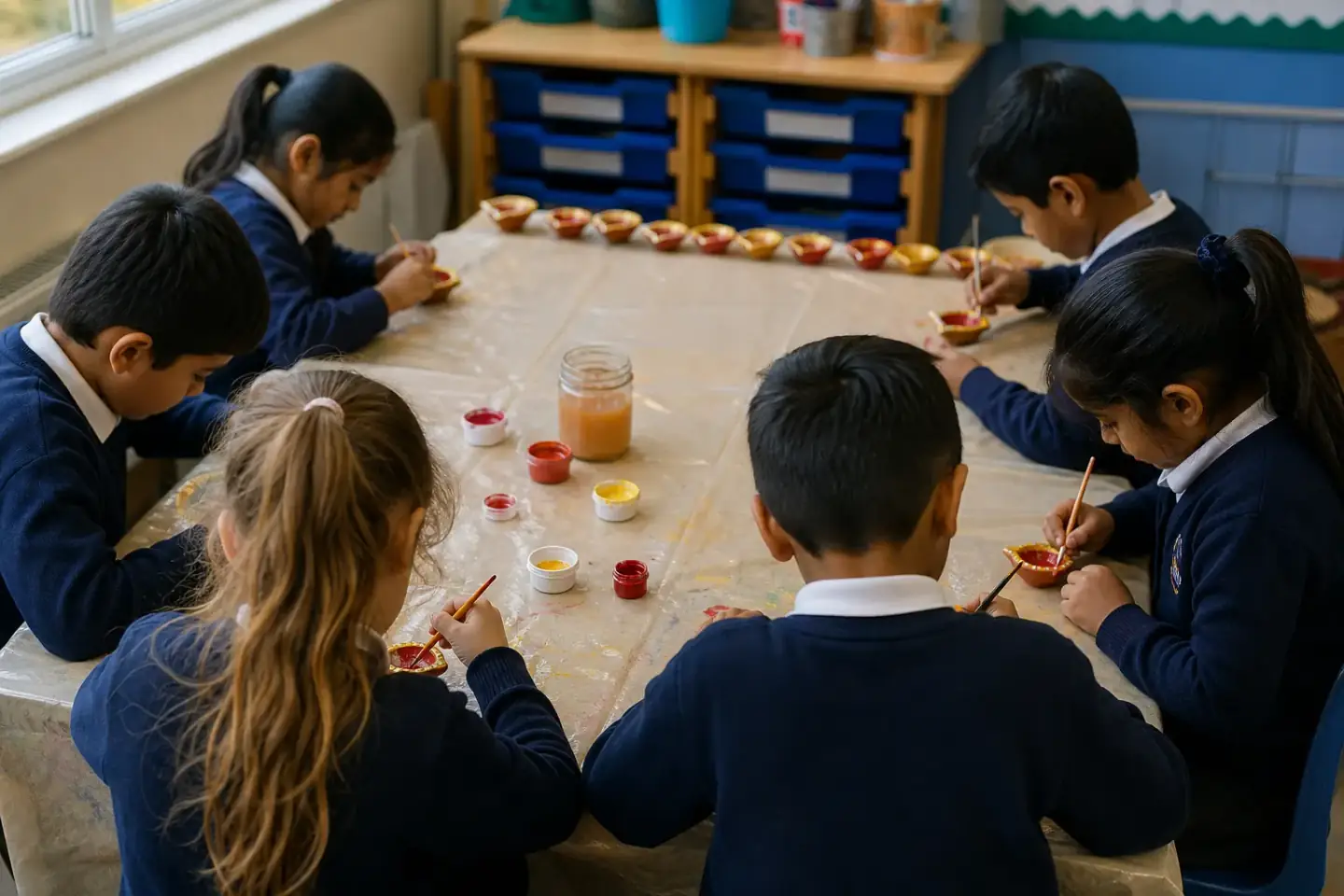 60–90 minutes per classDiya PaintingAdd your personal touch to the festival with a creative diya painting experience.See the session
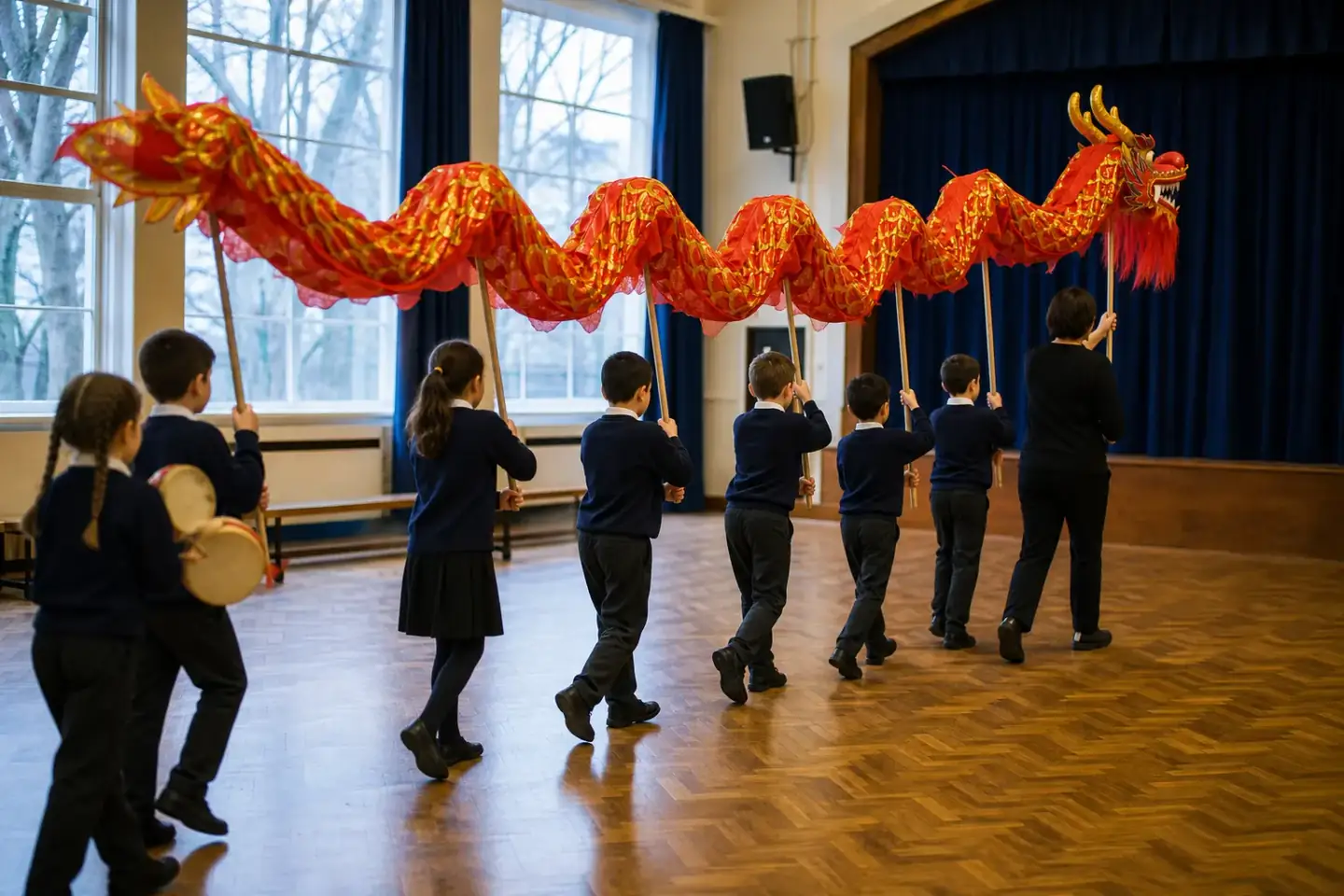 45–60 minutes per classChinese Dragon DanceStep into the vibrant traditions of Chinese culture with our exhilarating Chinese Dragon Dance workshop.See the session
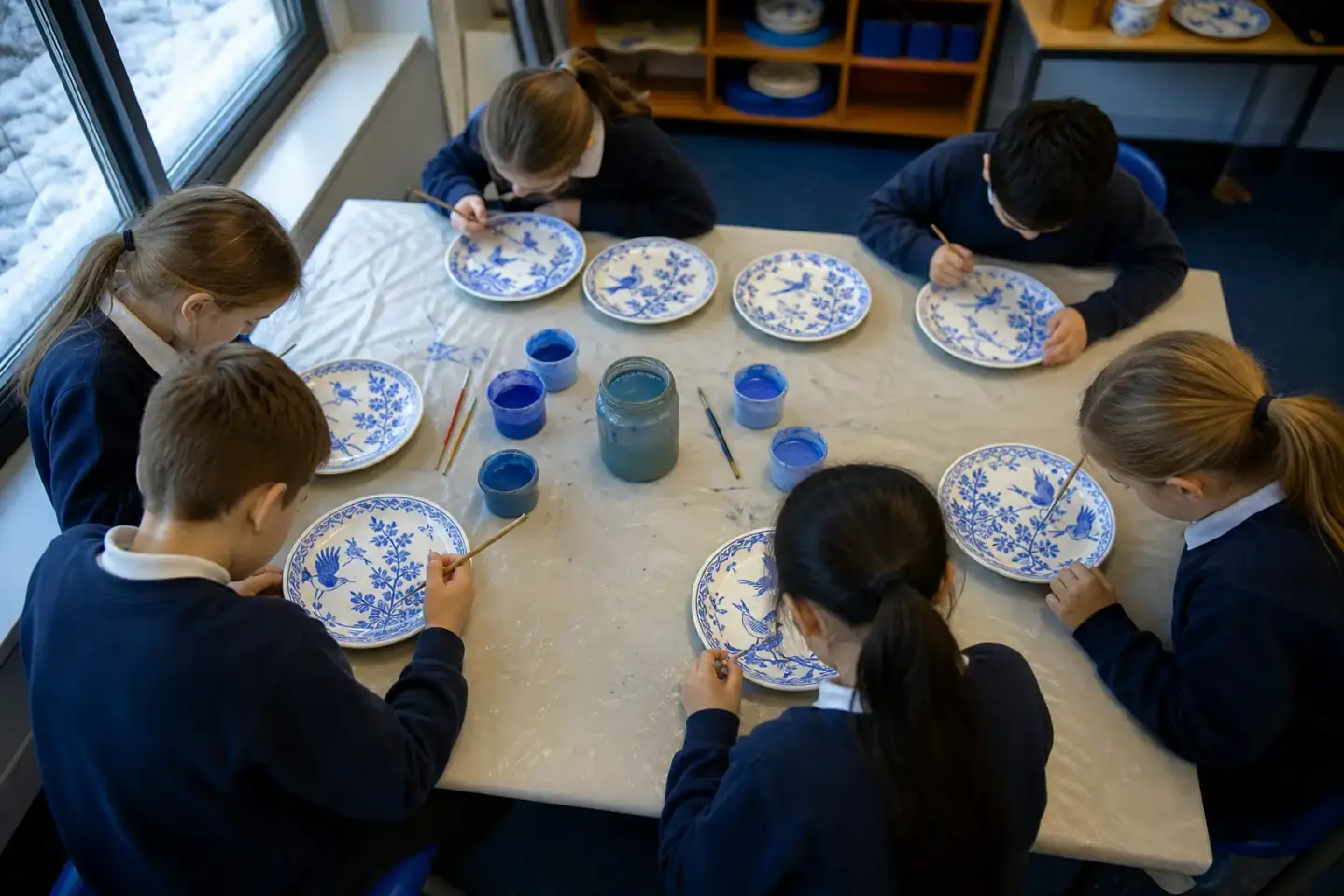 60–90 minutes per classChinese Plate PaintingEach child has the opportunity to create their own unique design.See the session
 60 minutes per classAncient China in VRDiscover the twelve animals of the Zodiac and the story of the Great Race.See the session
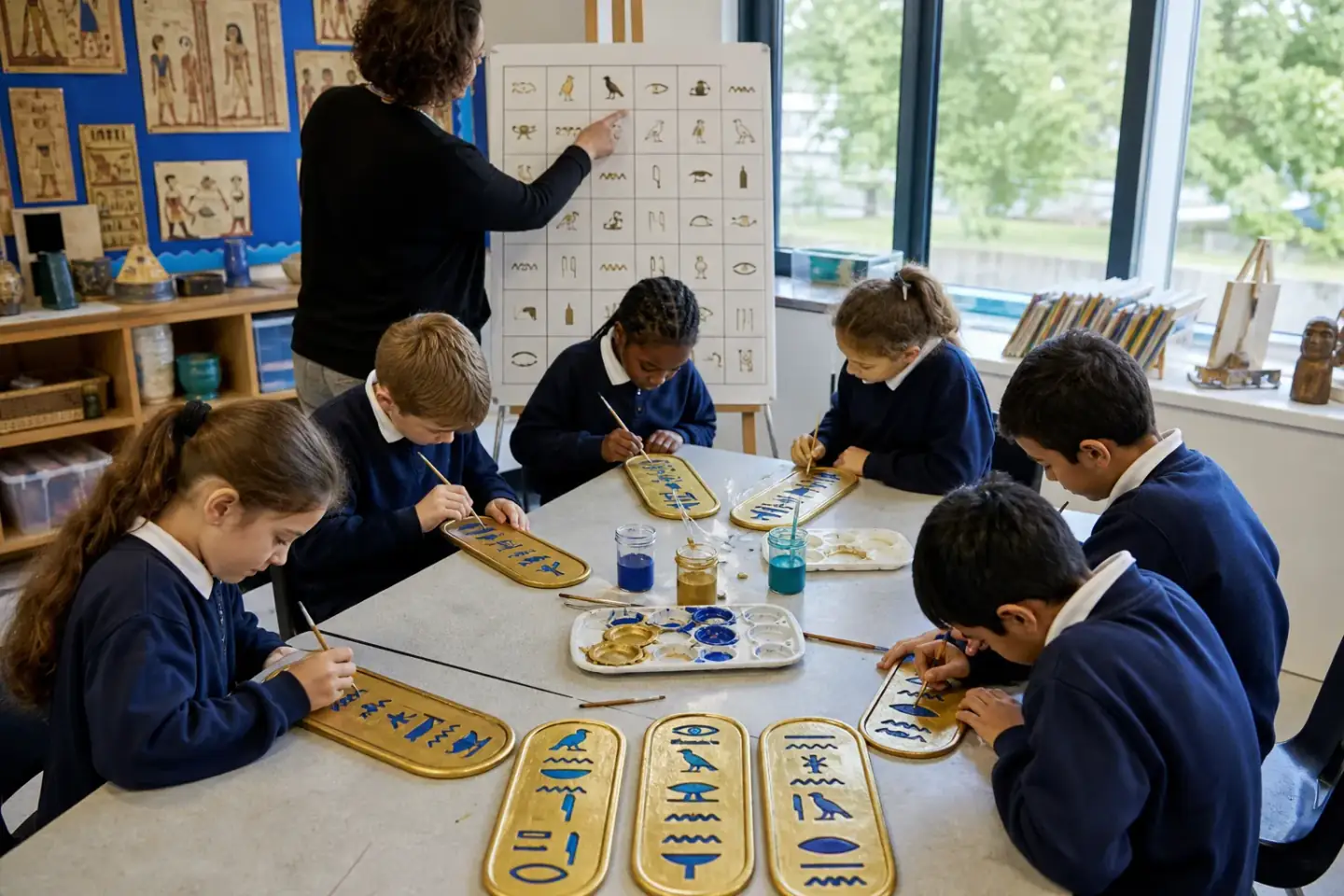 60–90 minutes per classEgyptian Cartouche PaintingHieroglyphic cartouches allow students to write their names like ancient Egyptian royalty.See the session
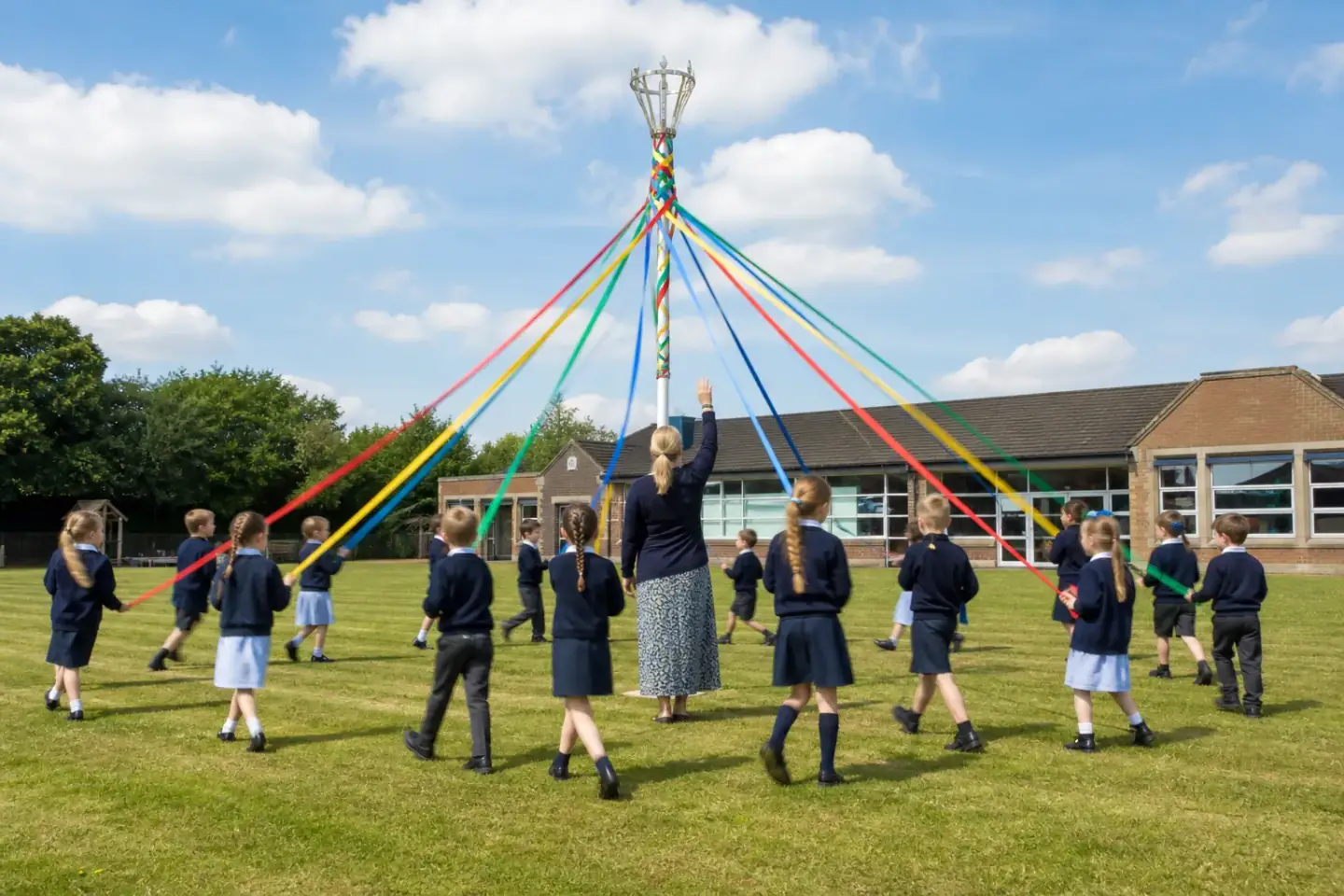 45–60 minutes per classMaypole DanceRibbons, weaving patterns and lively folk music.See the session
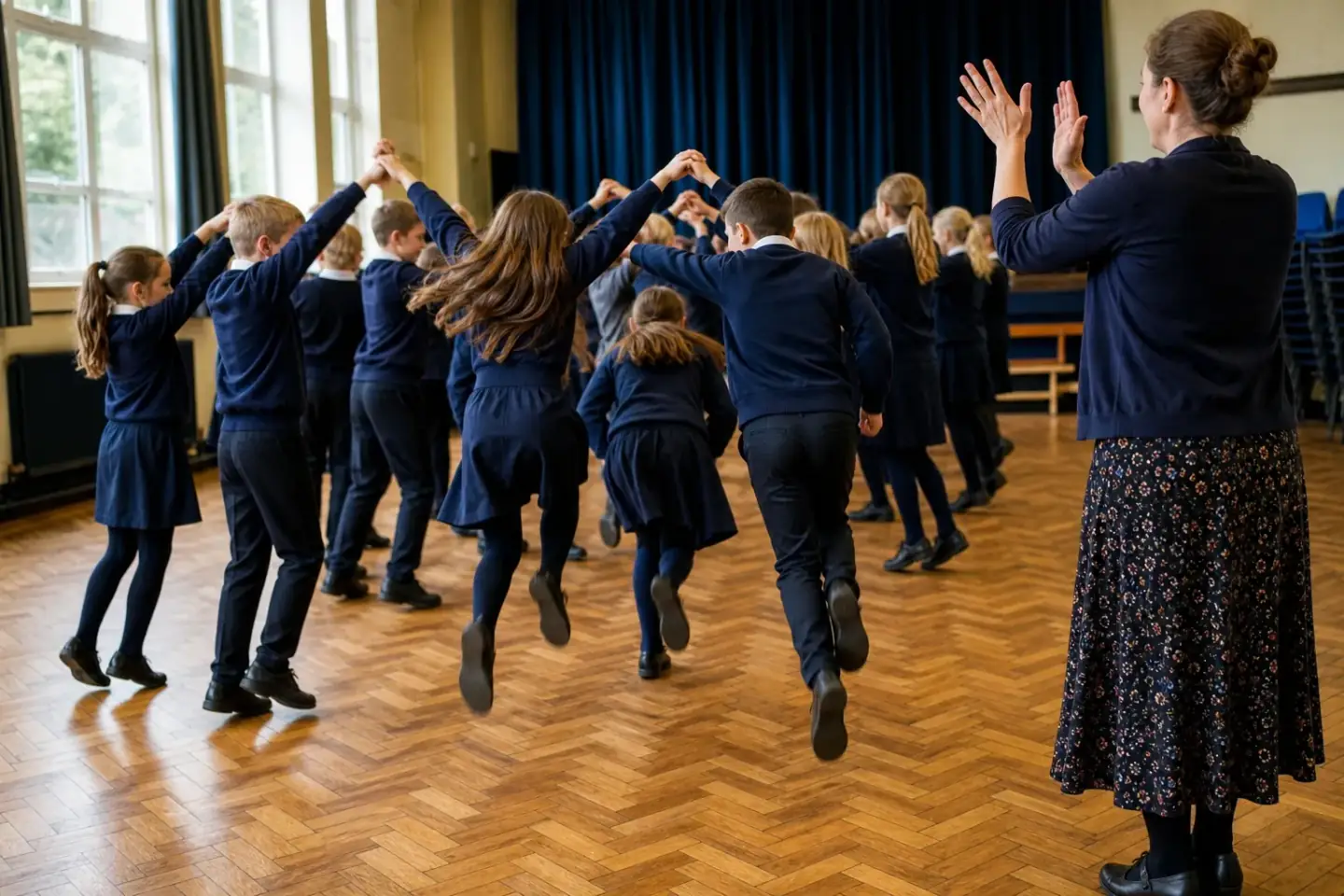 45–60 minutes per classIrish DanceOur Irish dance workshop brings the rhythm, footwork and heritage of Irish dance into your school.See the session
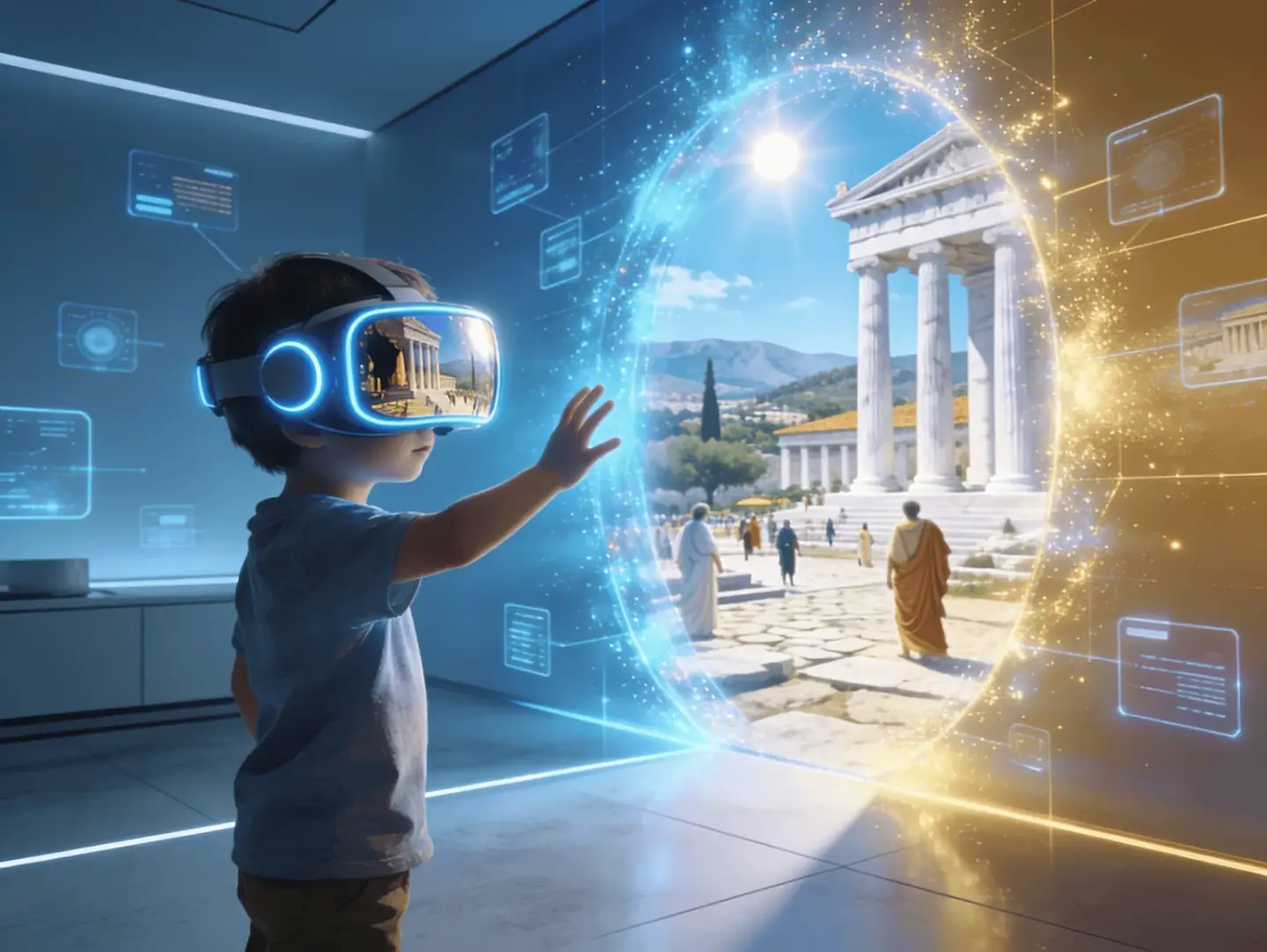 60 minutes per classAncient Greece in VRThe Greek gods and the origins of the Olympics.See the session
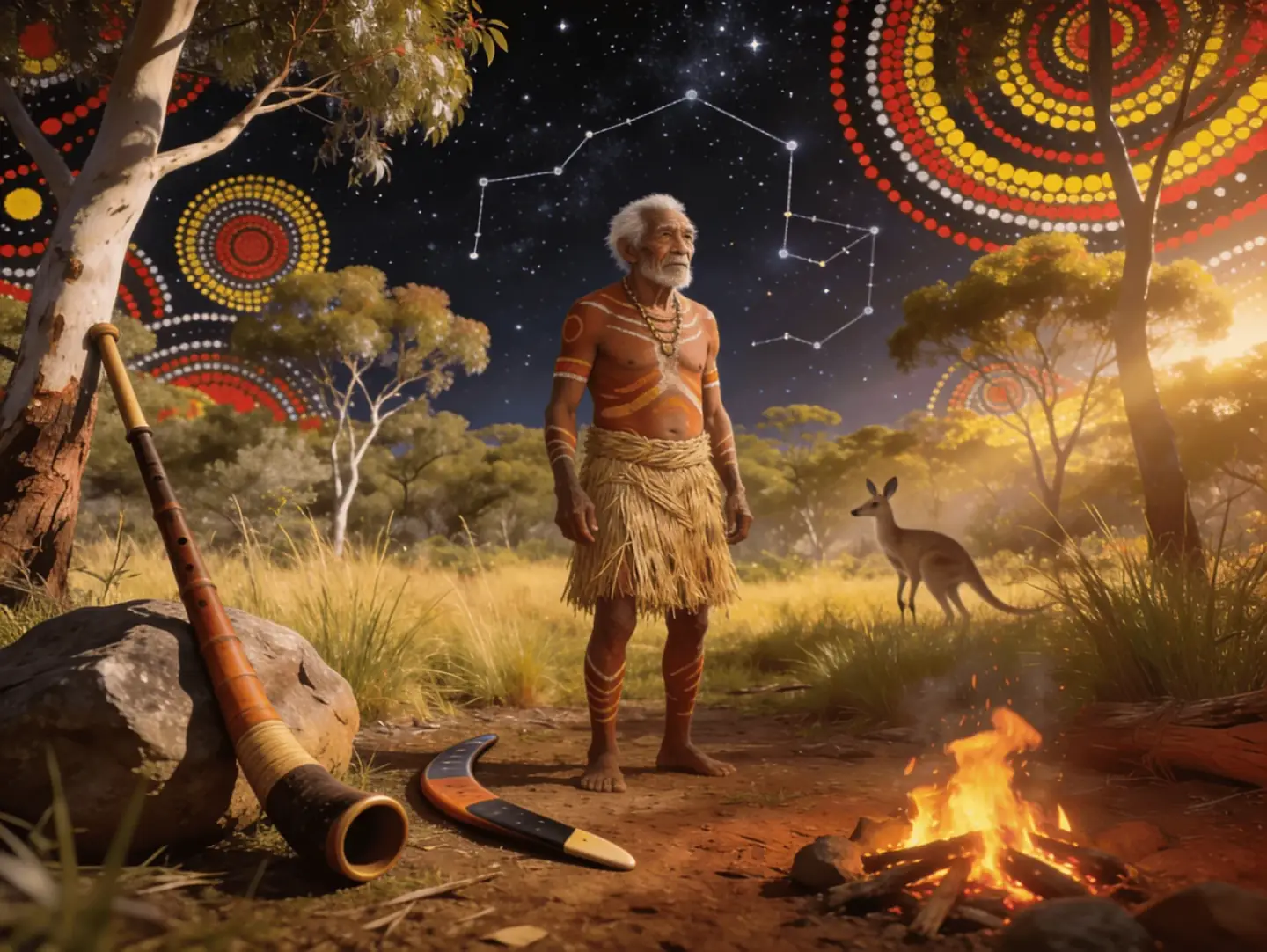 60 minutes per classIndigenous Australia in VRReal dances filmed in Far North Queensland, Australia.See the session
Cairo and the pyramids, pharaohs and gods, mummification and the Book of the Dead.
Tell us the date you have in mind and we'll come back within one working day with options for your school.